



cgl непрерывная линия цинкования
In the high-speed production of precision steel strips, maintaining consistent thickness across the entire coil is critical. The Automatic Gauge Control (AGC) system plays a pivotal role in achieving this by continuously monitoring and adjusting roll gaps in real time. In multi-stand cold rolling mills, where steel passes through several rolling stands in succession, a centralized AGC controller ensures synchronized operation across all stands. The Role of AGC in Multi-Stand Cold Rolling Mills A multi-stand cold rolling mill relies on precise coordination between each rolling stand to maintain uniform strip thickness. Without proper control, variations in rolling force, tension, and speed can lead to gauge deviations, resulting in substandard product quality. The automatic gauge control system addresses this challenge by dynamically adjusting the roll gap at each stand using feedback from X-ray or laser thickness gauges. In traditional setups, each stand operated with independent AGC, often leading to suboptimal coordination. However, modern centralized AGC control integrates all stands under a unified control strategy, ensuring that adjustments at one stand are compensated for in subsequent stands. This approach minimizes inter-stand tension fluctuations and improves overall rolling stability. Hydraulic Automatic Gauge Control: Precision and Responsiveness The shift from mechanical to hydraulic automatic gauge control has revolutionized rolling mill accuracy. Hydraulic AGC systems use high-response servo valves to adjust roll gaps within milliseconds, far surpassing the speed of traditional screw-down mechanisms. This rapid response is crucial in multi-stand mills, where even minor delays in adjustment can propagate gauge errors downstream. Key advantages of hydraulic AGC include: Faster response time (critical for high-speed rolling) Higher force precision (enabling tighter thickness tolerances) Adaptability to varying rolling conditions (such as changes in material hardness or entry thickness) By integrating hydraulic AGC with a centralized control architecture, mills can achieve thickness variations as low as ±1 micron, meeting the stringent demands of automotive and electronics industries. Centralized AGC Controller: The Brain Behind Multi-Stand Coordination The AGC controller in a multi-stand mill must process vast amounts of data from load cells, thickness gauges, and tension meters to make real-time adjustments. A centralized AGC controller takes this a step further by optimizing the entire mill’s performance rather than individual stands. This centralized approach offers several benefits: Dynamic Inter-Stand Compensation – If one stand experiences a thickness deviation, the controller adjusts subsequent stands to correct it before the strip exits the mill. Optimal Tension Control – By synchronizing roll gap adjustments with inter-stand tension, the system prevents strip breaks or excessive elongation. Adaptive Rolling Strategies – The controller can switch between different rolling modes (e.g., constant gauge vs. profile control) based on real-time process conditions. Advanced automatic pressure control algorithms further enhance stability by regulating hydraulic pressure in response to strip hardness variations, ensuring consistent rolling force across the entire coil. Challenges in Multi-Stand AGC Implementation Despite its advantages, implementing a centralized automatic gauge control system in a multi-stand mill presents several challenges: 1. Signal Delay and Response Synchronization In high-speed rolling, the time delay between thickness measurement and AGC response must be minimized. Advanced predictive AGC models use machine learning to anticipate gauge deviations before they occur, improving response accuracy. 2. Stand Interaction Effects Adjusting one stand affects downstream stands. A poorly tuned AGC controller can create oscillating thickness errors. Modern systems use model predictive control (MPC) to optimize adjustments across all stands simultaneously. 3. Material and Process Variability Changes in incoming strip hardness or temperature require adaptive AGC strategies. Some mills integrate automatic pressure control with thermal models to compensate for these variations dynamically. Future Trends in AGC for Cold Rolling Mills The next generation of automatic gauge control cold rolling mill systems will leverage AI and IoT for even greater precision: AI-Powered Predictive AGC – Machine learning algorithms analyze historical rolling data to predict and prevent gauge deviations before they occur. Digital Twin Integration – Virtual mill simulations allow operators to test AGC strategies in a risk-free environment before applying them in production. Edge Computing for Real-Time Adjustments – Decentralized computing at each mill stand reduces latency in centralized AGC control, enabling faster corrections. These innovations will further reduce thickness variability, improve yield, and enhance the overall efficiency of multi-stand rolling operations. The Critical Role of Centralized AGC in Modern Rolling Mills The automatic gauge control system has evolved from a standalone thickness regulator to a fully integrated, mill-wide optimization tool. By adopting centralized AGC control , multi-stand cold rolling mills achieve unprecedented levels of precision, stability, and efficiency. Key takeaways include: Hydraulic AGC provides the speed and accuracy needed for modern high-speed rolling. A centralized AGC controller ensures seamless coordination between multiple stands. Future advancements in AI and IoT will push the boundaries of gauge control even further. For steel producers looking to maximize quality and productivity, investing in advanced automatic gauge control cold rolling mill technology is no longer optional—it’s a competitive necessity.

We have successfully executed over 500
projects around the world,
many first-of-their-kind
research projects and products in China, including
We have successfully executed over 500
projects around the world,
many first-of-their-kind
research projects and products in China, including
-
2004
The 1st hydraulic AGC system for hot rolling of ribbon steel
-
2006
The 1st AFC system used for 1450mm skin pass mill
-
2009
The 1st 5-stand tandem line with 2-stand POR & Uncoiler for 650mm ribbon steel
-
2012
The 1st reversing mill for 1380mm strip
-
2016
The 1st soft-rolling system used in skin pass mill
-
2019
The 1st fully automated medium-width tandem cold rolling mill
-
2021
The 1st 5000KN Twin-stand double skin pass mill
-
2022
The 1st coupled pickling line & tandem cold mill with two modes - big roller & small roller
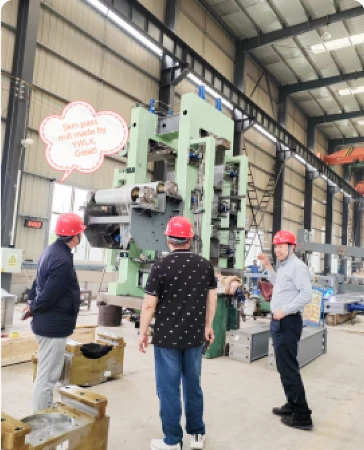

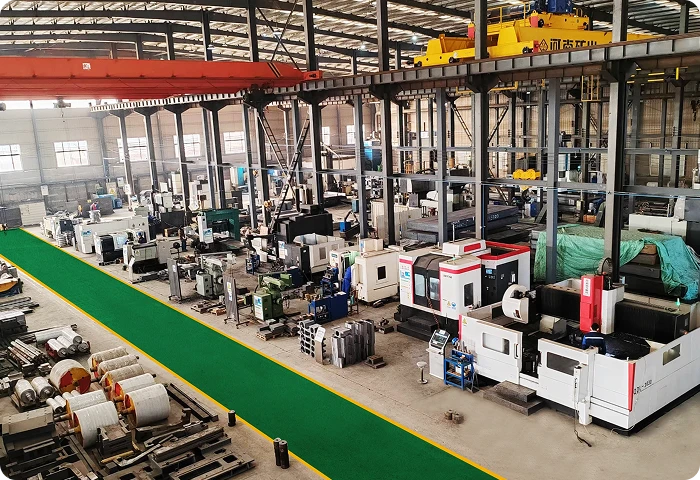
Yang Wang Li Xin operates a state-of-the-art facility over 66,000 square meters,and our manufacturing facility is fully equipped with high-tech machinery and high-capacity cranes. This enables us to handle large work pieces measuring 4.5m in width, 10m in length, and 1.5m in height, guaranteeing our capacity to produce 1800mm skin-pass mills and 1450mm rolling mills. The individual piece can weigh up to 100 tons.

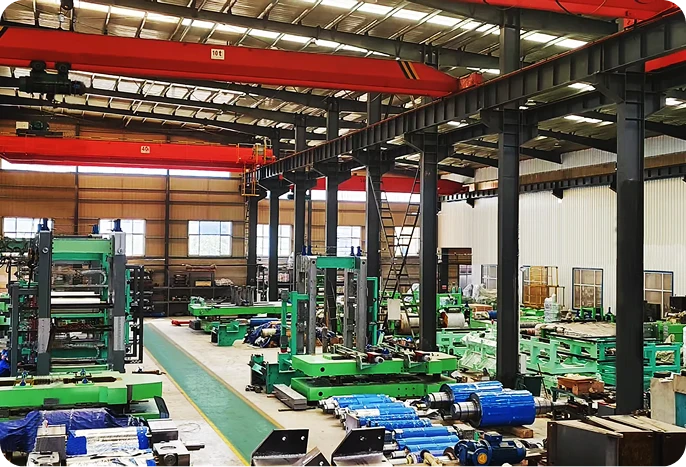

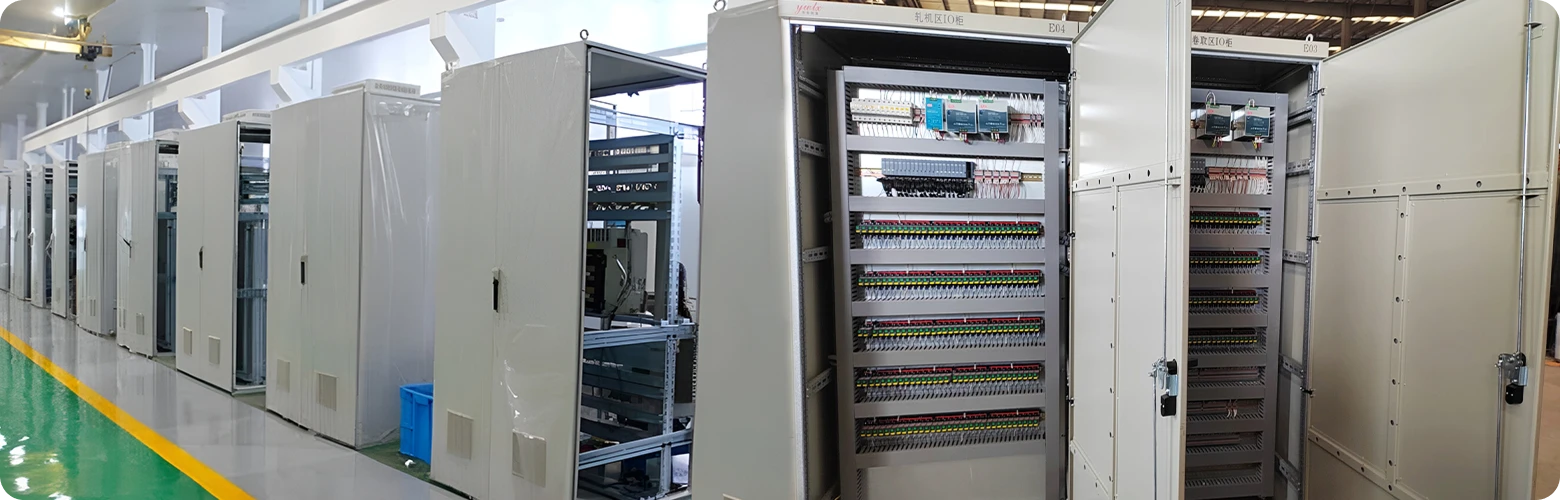
Quality is fundamental to the enterprise survival. We have established a comprehensive and meticulous quality management system and have successfully obtained ISO14000 certification. Starting from the design source, it supervises the entire production cycle, including design, procurement, processing, assembly, in-factory testing, installation, and online commissioning. The workshop is equipped with measuring tools like vernier calipers, spectrometers, hardness testers, and ultrasonic flaw detectors. They are used to check materials and control tolerances to ensure the final equipment meets or exceeds requirements. All products have a unique code, This enables the easy identification and traceability of the equipment components and ensures full control of quality.


-
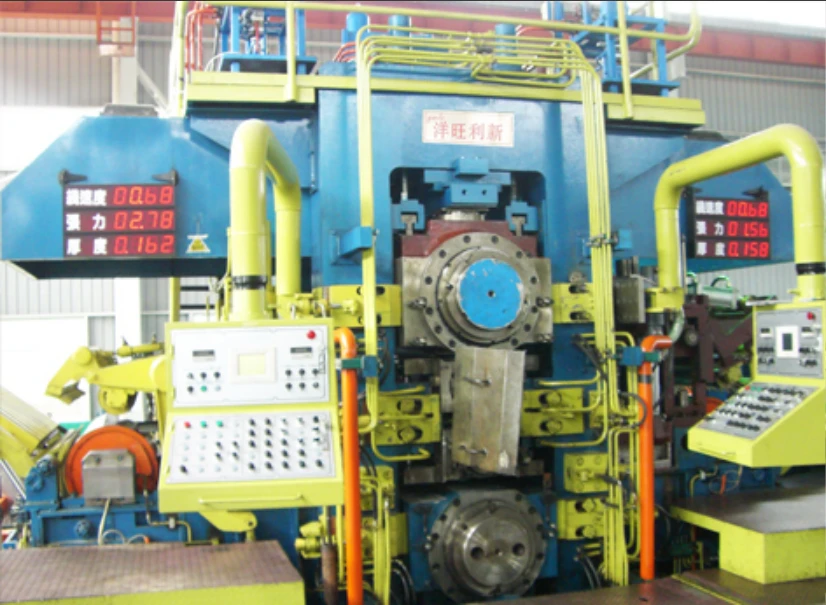 عملية اللحام بالطلاءThe Process of Coating Welding An Overview Coating welding is an advanced technology that integrates welding and surface coating processes to enhance the durability and performance of welded components. This method is particularly significant in industries where parts are subjected to extreme conditions such as high temperatures, corrosion, and wear. By employing coating techniques in conjunction
 -
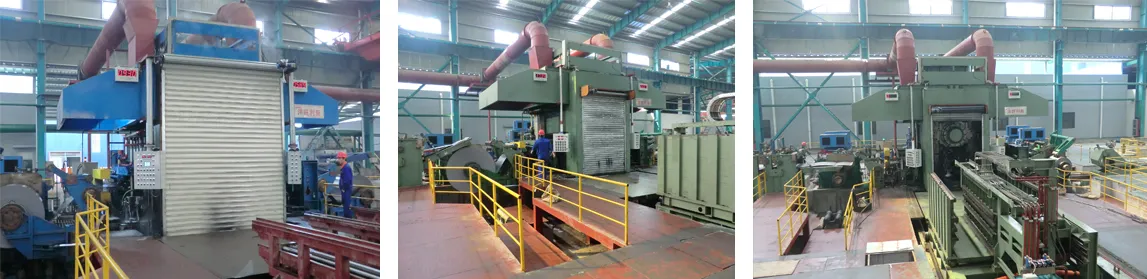 Cladding Rolling Mill - YWLX|Energy Efficiency&High YieldIntroduction to Cladding Rolling Mill Technology The Cladding Rolling Mill represents a significant advancement in metal bonding technology, offering a sustainable and efficient solution for industries requiring high-quality composite materials. Developed by Beijing Yang Wang Li Xin Sci&Tech Co.,Ltd. , this technology addresses longstanding challenges in traditional cladding processes, such as sur
 -
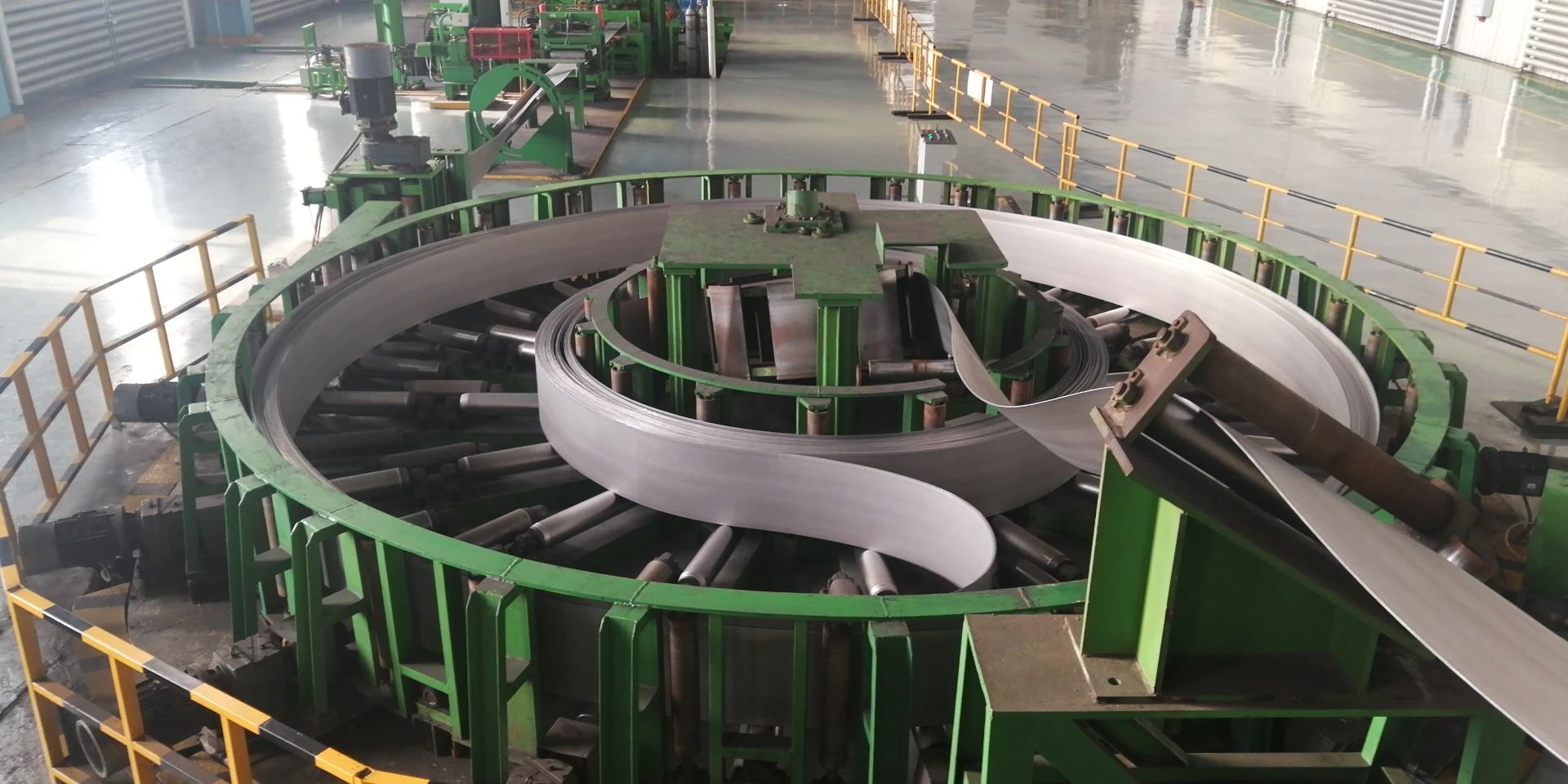 laminatoio per metalliMetal rolling mills, both intricate in design and paramount in function, serve as the backbone of metal forming industries. They are critical for shaping raw metal into functional forms used across various sectors, from automotive to construction. With a focus on laminatoio per metalli, or metal rolling mills, it is essential to delve into the specifics, showcasing expertise and reliability, ensur


